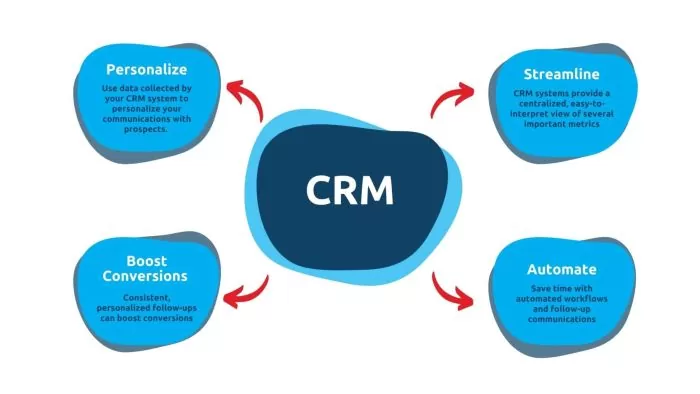
In today’s hyper-connected and customer-driven business world, understanding the meaning of CRM systems is no longer optional—it’s essential. Whether you’re a small startup, a growing mid-sized business, or an established enterprise, CRM systems have become the backbone of modern customer engagement and business management.
This comprehensive article explores the true meaning of CRM systems, their purpose, key features, benefits, and why they are indispensable tools for any business in 2025 and beyond.
What is the Meaning of CRM Systems?
CRM stands for Customer Relationship Management. A CRM system is a software solution that helps businesses manage their interactions with current and potential customers. It enables organizations to store, organize, and access customer data in one centralized platform, streamlining sales, marketing, and customer service processes.
In simple terms, CRM systems mean:
“A technology used to manage all your company’s relationships and interactions with customers and prospects.”
The goal? Improve business relationships to grow your business.
Why Understanding CRM Systems Matters
In the past, businesses relied on spreadsheets, paper records, or basic contact lists. In 2025, this approach no longer meets customer expectations. Today’s customers demand faster responses, personalized experiences, and seamless communication—all of which are made possible through a well-implemented CRM system.
CRM Systems Help You:
- Keep track of every customer interaction
- Streamline your sales and marketing efforts
- Improve customer satisfaction and retention
- Automate routine tasks
- Make data-driven decisions
Core Components That Define CRM Systems
To truly grasp the meaning of CRM systems, it’s important to understand their key components:
1. Contact Management
CRM systems store detailed information about each customer, including names, emails, phone numbers, communication history, preferences, and more.
2. Lead and Opportunity Tracking
Track where each potential customer is in your sales funnel. Know who to follow up with and when.
3. Sales Pipeline Management
CRM systems provide a visual pipeline to track deals, sales stages, and revenue forecasts in real time.
4. Marketing Automation
Many CRM platforms offer built-in tools for email marketing, lead nurturing, segmentation, and campaign management.
5. Customer Support & Service
Manage tickets, inquiries, and service requests while maintaining a 360-degree view of the customer journey.
6. Reporting & Analytics
CRM software provides insights into sales performance, customer behavior, marketing ROI, and more.
Types of CRM Systems Explained
Understanding the different types of CRM systems will help you choose the right one for your business:
1. Operational CRM
Focuses on automating customer-facing processes like sales, marketing, and service. Ideal for businesses looking to streamline workflows.
2. Analytical CRM
Provides in-depth data analysis and reporting. Helps businesses make informed decisions based on customer data, trends, and patterns.
3. Collaborative CRM
Emphasizes sharing customer information across departments (e.g., sales, marketing, and support) to ensure a consistent and unified customer experience.
Top CRM Systems in 2025
Here are some of the most widely used CRM platforms that embody the true meaning of CRM systems in today’s business landscape:
| CRM Platform | Best For | Key Features |
|---|---|---|
| Salesforce | Enterprises | Highly customizable, AI-driven, robust integrations |
| HubSpot CRM | Startups & SMBs | Free version, marketing automation, intuitive UI |
| Zoho CRM | Growing businesses | Affordable, customizable, multi-channel support |
| Freshsales | Sales-focused teams | AI insights, built-in calling, email automation |
| Pipedrive | Simplicity & pipeline view | Visual sales funnel, deal tracking, automation |
| Microsoft Dynamics | Microsoft users | Deep integration with Microsoft 365 and Azure |
Who Uses CRM Systems and Why?
CRM systems are used by every department that touches the customer experience:
Sales Teams
- Track leads, deals, and sales goals
- Get reminders for follow-ups
- Improve conversion rates
Marketing Teams
- Run targeted email campaigns
- Segment contact lists
- Track campaign performance
Customer Service Teams
- Manage customer inquiries
- Access full interaction history
- Resolve issues faster
Management
- Monitor team performance
- Forecast revenue
- Identify growth opportunities
Benefits That Define the True Value of CRM Systems
✅ Improved Customer Relationships
CRM systems help businesses know their customers better, leading to more personalized and effective interactions.
✅ Increased Sales
Sales teams can close more deals with automation, reminders, and real-time deal tracking.
✅ Enhanced Productivity
CRM systems eliminate manual data entry and automate repetitive tasks.
✅ Better Collaboration
When all teams use the same data, it results in consistent messaging and improved teamwork.
✅ Data-Driven Strategy
Real-time analytics enable better business decisions and strategic planning.
CRM Systems Meaning in the Context of Small Businesses
For small businesses, CRM systems mean more than just software—they are survival tools. With limited staff and resources, automation and streamlined customer management can make the difference between growth and stagnation.
Popular small business CRM systems like HubSpot, Zoho CRM, and Freshsales offer:
- Easy setup
- Affordable pricing
- Powerful automation
- Scalable features
How CRM Systems Work: A Real-Life Example
Let’s say you run a small consulting business. A CRM system would:
- Capture a new lead from your website contact form
- Automatically send a welcome email
- Remind your sales rep to follow up in 2 days
- Track all conversations with the lead in one timeline
- Help convert the lead into a paying customer
- Store their data for future marketing or upselling
All of this happens within one platform—no spreadsheets, no lost emails, no confusion.
The Future of CRM Systems in 2025 and Beyond
CRM systems are rapidly evolving to include AI, machine learning, predictive analytics, and voice capabilities. The future of CRM will include:
- Hyper-personalized customer experiences
- Voice-enabled data entry
- AI-powered lead scoring
- Fully integrated omnichannel support
- Seamless mobile CRM usage
Businesses that adopt CRM systems early are better positioned to stay ahead of trends, automate intelligently, and deliver superior customer experiences.
Final Thoughts on CRM Systems Meaning
The true meaning of CRM systems lies in their ability to transform how businesses connect with customers. They are more than just tools—they are platforms that unify your sales, marketing, and support efforts under one roof.
In 2025, CRM systems are mission-critical for any business that wants to scale, serve customers better, and compete in a digital-first economy.
Whether you’re new to CRM or looking to upgrade your current system, understanding its full scope and power is the first step to business success.